
Quantum computing is expected to reshape fields ranging from medicine and emergency response to logistics, infrastructure, and national security. The regions that develop both the technology and the people prepared to use it will be positioned to lead an emerging global economy.
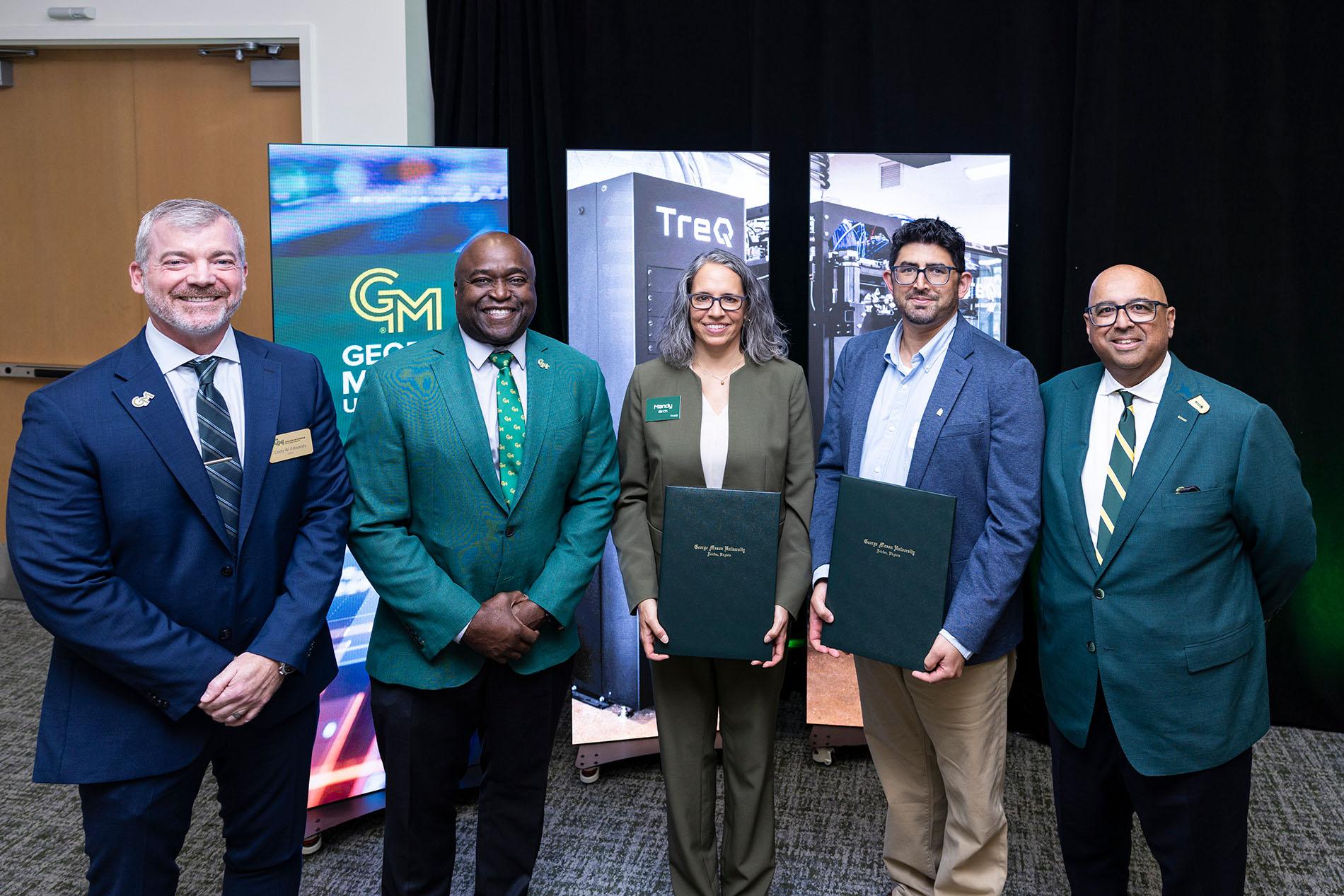
George Mason and Oxford-based TreQ are taking a major step toward that future by bringing the first open-architecture quantum computing system to Virginia and the National Capital Region. Planned for delivery in early 2027 and commissioning later that year, the $7.7 million system will also be TreQ’s first U.S. deployment of its Open Architecture Quantum framework.
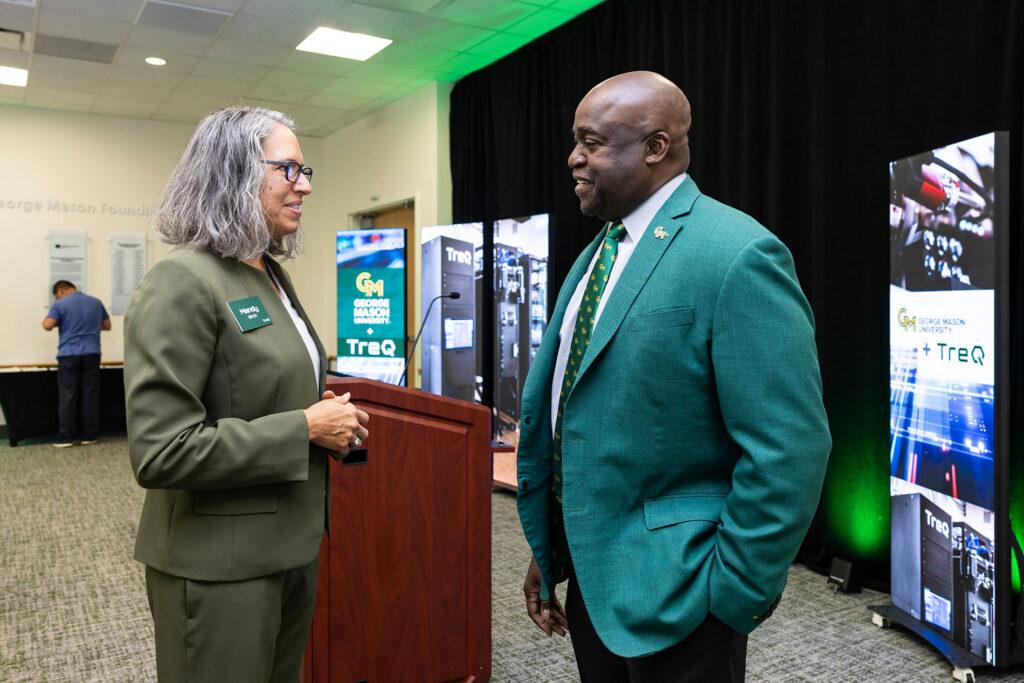
Open architecture allows different processors, software, networking tools, and other technologies to work within an adaptable system. That flexibility will give George Mason students and faculty, established companies, startups, and research partners a place to build, test, and learn as quantum technologies continue to develop.
The system builds on nearly a decade of work at George Mason. The Quantum Science and Engineering Center includes 24 faculty members across seven departments and several colleges. The university has also launched Virginia’s first interdisciplinary master’s degree in quantum science and engineering, creating a talent pipeline for a region where most George Mason graduates remain to live and work.
Mason Now is about assembling the talent, infrastructure, and partnerships required to address challenges of regional and national consequence. Public investment and industry collaboration are establishing a foundation for this work. Continued philanthropic partnership can help recruit researchers, expand student access, support ambitious projects, and move discoveries toward practical use. Together, those investments can help George Mason make Virginia a place where the quantum future is not merely anticipated, but built.
Evidence of momentum
- Virginia and the National Capital Region’s first open-architecture quantum computing system.
- Twenty-four quantum faculty members working across seven departments and several colleges.
- Virginia’s first interdisciplinary master’s degree in quantum science and engineering.